Introduction to the Challenge
In today's rapidly evolving digital landscape, e-commerce businesses face an array of challenges. From cybersecurity threats to customer experience management, staying ahead requires a robust and adaptable solution framework.
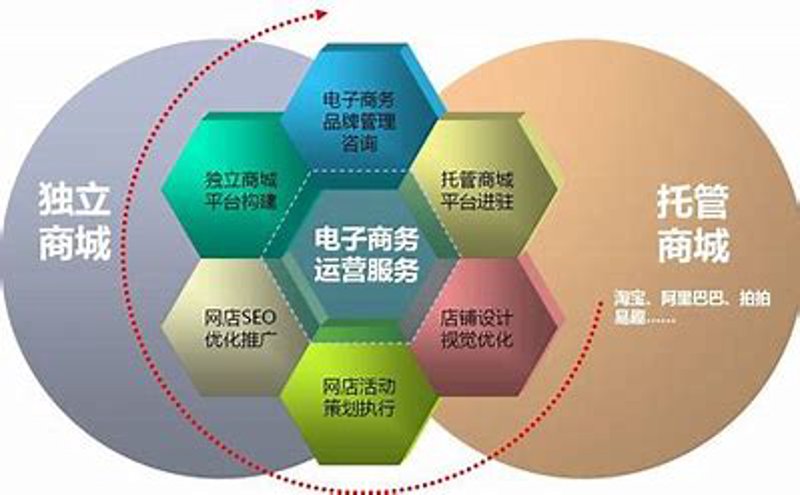
The Landscape of E-commerce Solutions
Traditional E-commerce Platforms: Known for their ease of use but often limited in customization options.
Customized E-commerce Solutions: Offer greater flexibility but can be costly and time-consuming to develop.
SaaS (Software as a Service) Solutions: Provide scalable, flexible solutions at an affordable cost but may lack the depth of customization needed by all businesses.
Advantages and Disadvantages
Traditional Platforms: User-friendly interface; lower initial investment costs. However, limited scalability and integration capabilities can hinder growth.
Customized Solutions: High level of customization to fit specific business needs; long-term investments in development and maintenance. Yet, initial setup costs are high and time-consuming.
SaaS Platforms: Cost-effective for small and medium-sized businesses; easy to integrate with existing systems. But, limited by the vendor's predefined features, which may not meet all business requirements.
Future Trends in E-commerce Solutions
Artificial Intelligence (AI): Enhancing personalization and customer engagement through smarter recommendations and chatbots.
Data Analytics: Providing deeper insights into consumer behavior for better decision-making processes.
Sustainability Practices: Increasing focus on eco-friendly packaging, energy-efficient operations, and transparent supply chains.
Conclusion: By understanding the strengths and limitations of each solution type, businesses can strategically choose or combine approaches to build a future-proof e-commerce strategy that meets their unique needs while staying aligned with emerging trends.